
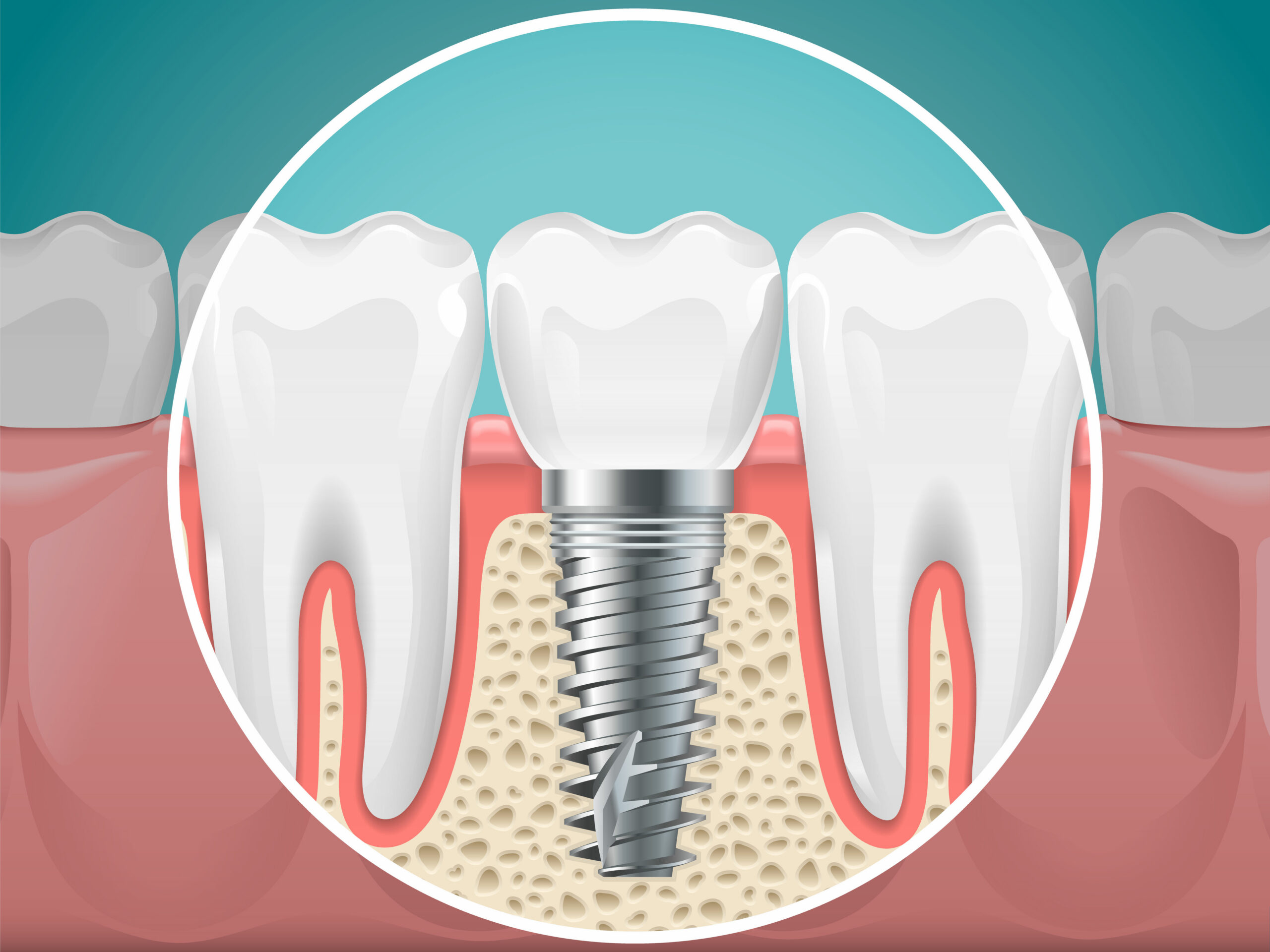
Dental implants are widely regarded as the gold standard for replacing missing teeth — but no medical procedure comes with a 100% guarantee, and for good reason, patients want to know the full picture before committing to treatment. Understanding what drives implant success, what puts patients at risk, and what can be done to maximize long-term outcomes is just as important as knowing how the procedure itself works.
At Mesa Dental, our team takes a whole-health approach to every treatment we provide, and that philosophy extends directly to how we evaluate patients for complex restorative care. Dr. Emily Browner believes that informed patients make better decisions, which is why we walk every prospective patient through realistic expectations, candidacy considerations, and long-term care protocols before any treatment begins. When it comes to implants, that transparency is everything.
What Do the Numbers Actually Say?
The success rates for dental implants are genuinely impressive. A large-scale study published in the National Institutes of Health’s National Library of Medicine analyzed over 158,000 dental implants placed across a span of nearly a decade and found an overall survival rate of 97.79%. Early failures — those occurring before prosthetic reconstruction — accounted for only 1.56% of cases. These figures reflect the reality that, in the vast majority of patients, dental implants integrate successfully and function as intended for many years.
That said, a small percentage of implants do fail, and those cases follow identifiable patterns. Failures can be categorized as early, occurring within the first few months during the critical osseointegration phase when the implant fuses with the jawbone, or late, occurring after the implant has already been restored. Both types are manageable when caught early and guided by an experienced clinical team.
Key Risk Factors That Can Affect Implant Outcomes
Systemic Health Conditions
Certain health conditions are consistently linked to higher rates of implant complications. Uncontrolled diabetes, for example, can impair healing and slow the osseointegration process. Patients with cardiovascular disease, osteoporosis, or autoimmune conditions that affect bone density may also face elevated risk. These aren’t automatic disqualifiers, but they do require careful evaluation and, in some cases, medical clearance and modified treatment planning before proceeding.
Tobacco Use
Smoking is one of the most well-documented risk factors for implant failure. Nicotine reduces blood flow to the gum tissue and bone, compromising the body’s ability to heal around a new implant. Patients who smoke have statistically higher rates of both early failure and late-stage complications like peri-implantitis — a progressive infection of the tissue surrounding the implant. Quitting or significantly reducing tobacco use before and after surgery can meaningfully improve outcomes.
Bone Volume and Density
Implants require a sufficient foundation of healthy bone to anchor securely. Patients who have experienced tooth loss for an extended period often have some degree of bone resorption at the site, which can make placement more complex. Bone grafting procedures can address deficiencies, but they do add time and an additional step to the treatment process. A thorough assessment of bone quality at the intended implant site is an essential part of any responsible pre-treatment workup. Our whole-health and preventive approach to care means we identify these factors early rather than after a procedure is already underway.
Oral Hygiene and Aftercare
Even a perfectly placed implant can fail if proper oral hygiene isn’t maintained. Peri-implantitis, essentially the implant equivalent of gum disease, is responsible for a significant share of late implant failures. Consistent brushing, flossing, and routine dental visits are non-negotiable for long-term implant health. Patients who invest in high-quality care upfront but neglect maintenance can undermine results that would otherwise last decades.
What Separates a Good Implant Candidate from a Poor One?
The most successful implant patients share a few traits: they are in reasonably good systemic health, they have adequate bone volume or are willing to pursue grafting, they don’t smoke or are committed to quitting, and they understand that implants require ongoing maintenance just like natural teeth. Bruxism, or habitual teeth grinding, is another factor worth addressing before implant placement, as the excessive force can stress the implant-bone interface over time.
The following factors are commonly evaluated during a comprehensive implant candidacy consultation:
- Overall health status: systemic conditions that affect healing, immune function, or bone metabolism
- Bone density and volume: evaluated through imaging to confirm sufficient foundation at the implant site
- Gum health: active periodontal disease must be treated and controlled prior to surgery
- Lifestyle habits: smoking, alcohol use, and medication history are all reviewed for potential impact on healing
- Bite and occlusion: identifying grinding or clenching patterns that could threaten implant stability
Reviewing all of these factors together allows your dentist to build a treatment plan that sets you up for the best possible outcome from the start.
Choose Mesa Dental for Expert Implant Guidance in Las Vegas
For patients considering implants as part of a broader smile restoration, our fee-for-service model means we are never incentivized to rush treatment or cut corners — our focus is always on what’s genuinely best for your long-term health. Our team brings together Dr. Browner’s expertise in comprehensive cosmetic and restorative dentistry alongside Dr. RJ’s surgical skill set, giving patients access to coordinated care under one roof. Dr. Browner is a member of the American Academy of Cosmetic Dentistry and the Academy of General Dentistry, reflecting a commitment to continuing education and evidence-based practice.
If you’re exploring whether dental implants are the right solution for your smile, the first step is a thorough consultation where we can assess your candidacy, explain your options, and answer every question you have. Contact Mesa Dental today to schedule your visit and take the first step toward a complete, confident smile.
