
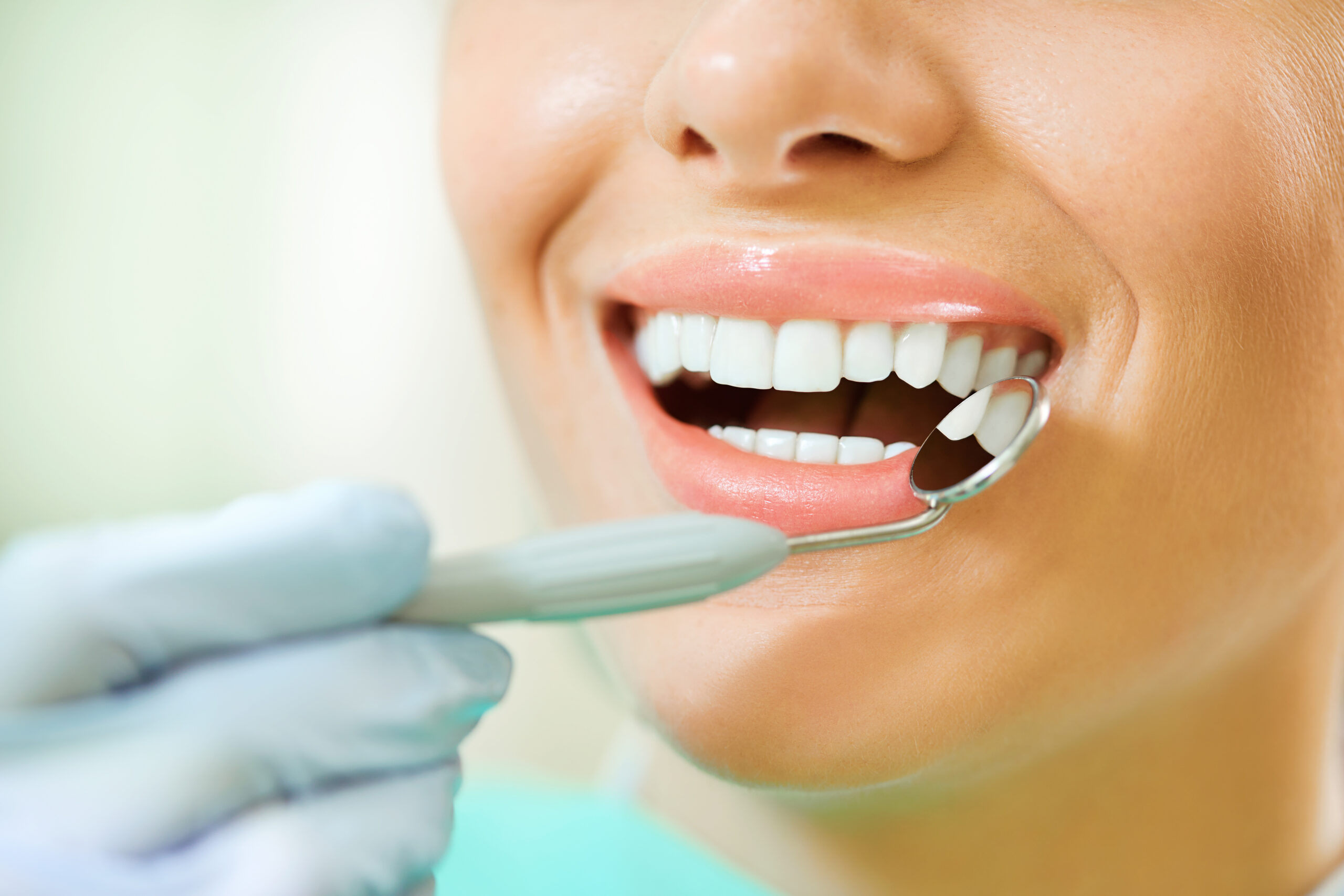
Your jaw aches when you wake up, your front teeth look shorter than they used to, and now you are wondering whether a brighter, more even smile is even an option for someone who clenches and grinds all night. It is one of the most common worries patients bring to a cosmetic consultation, and the honest answer is more encouraging than you might expect.
Grinding does not automatically rule out veneers, but it does change how the work should be planned and protected. At Mesa Dental in the Summerlin area of Las Vegas, Dr. Emily Browner approaches cosmetic concerns through a whole-health lens, which means a smile redesign starts with figuring out why the grinding is happening in the first place. If you have been researching porcelain veneers, here is what bruxism means for your candidacy, your treatment plan, and the long-term life of your new smile.
Can You Get Veneers if You Grind Your Teeth
In most cases, yes. Grinding, known clinically as bruxism, is common enough that dentists plan around it routinely rather than treating it as a dealbreaker. One systematic review found the global prevalence of bruxism to be roughly 22 percent, so a large share of people considering cosmetic work clench or grind to some degree.
What matters is not whether you grind, but how much force your teeth absorb and whether that force is managed before and after veneers are placed. Unaddressed grinding can chip porcelain, loosen bonding, and wear down the very teeth a veneer is meant to enhance. When the habit is identified early and accounted for in the plan, veneers can hold up well for years.
Why Grinding Changes the Plan
Bruxism puts repeated pressure on the biting surfaces of your teeth, often during sleep when you cannot control it. Over time, that pressure flattens enamel, creates small fractures, and strains the jaw muscles and joints. Placing thin porcelain over teeth that are still under heavy load, without a protection strategy, sets the restoration up for trouble.
This is where a whole-patient approach helps. Rather than treating the worn teeth as an isolated cosmetic problem, we look at bite alignment, jaw function, and the daily or nightly habits feeding the grinding. Our whole-health dentistry philosophy treats the mouth as a window into broader patterns, including stress and sleep quality that can drive clenching.
Material and Design Choices
For patients who grind, material selection and bite design carry extra weight. Stronger porcelain, careful attention to how the upper and lower teeth meet, and slight adjustments to tooth length can all reduce the stress placed on each veneer. The goal is a smile that looks natural and distributes force the way healthy teeth are meant to.
Protecting Veneers Over the Long Term
Once your new smile is in place, protecting it from grinding is the single most important thing you can do to extend its life. The most common safeguard is a custom night guard, a thin appliance worn during sleep that absorbs grinding forces instead of your porcelain. Beyond that, managing the root causes of bruxism keeps pressure off your teeth in the first place.
A few habits and tools tend to make the biggest difference for grinders who want their veneers to last:
- Night guard: wearing a custom guard every night to cushion your teeth from clenching forces.
- Stress management: addressing tension through exercise, sleep routines, or relaxation techniques.
- Regular checkups: keeping consistent visits so wear is caught and adjusted early.
With these protections in place, many patients who grind enjoy their veneers comfortably and confidently. The combination of thoughtful planning and consistent aftercare is what turns a cosmetic upgrade into a durable one.
Plan Your Smile With Mesa Dental
Grinding does not have to stand between you and the smile you want; it simply means your treatment should be designed with that habit in mind. Dr. Browner blends preventive and holistic care with cosmetic work, so your veneers are planned around your bite, your jaw, and the reasons behind your grinding rather than around the surface alone. As a fee-for-service practice, we are able to spend the time it takes to get this right, exploring our cosmetic dentistry options at a pace that fits your goals.
If you have been holding off because you grind your teeth, a conversation is the best place to start. You can learn more about smile makeover options or simply ask whether veneers are right for you. When you are ready, reach out through our contact page to schedule a consultation and take the first step toward a smile built to last.
