
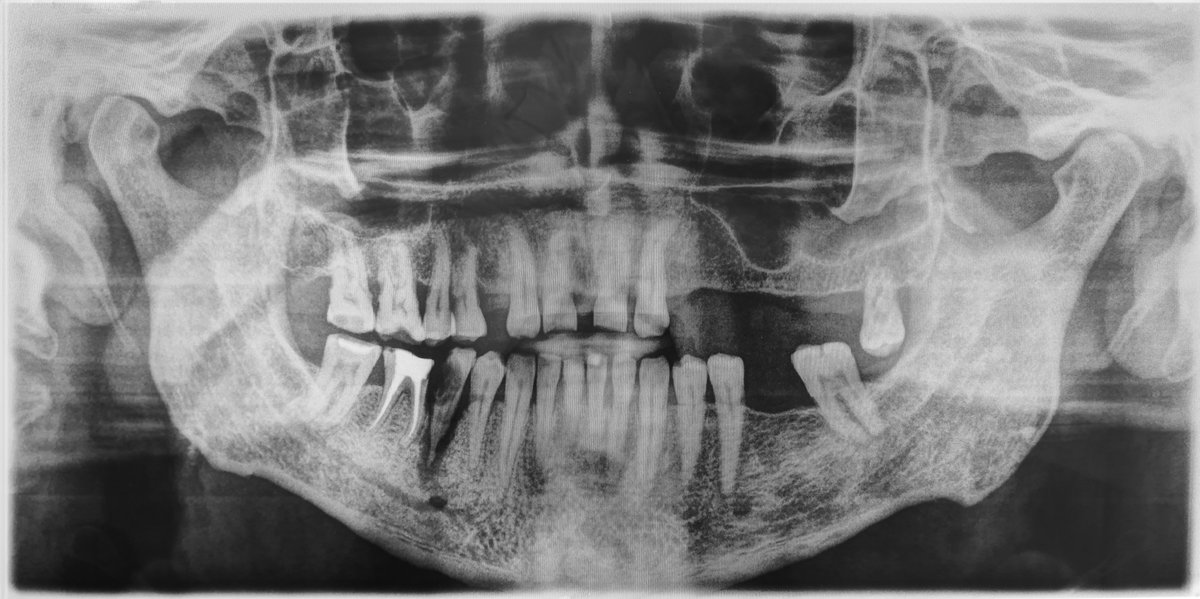
Losing a tooth can feel like more of a cosmetic issue at first. You adjust your smile, maybe avoid certain foods, and over time, you just get used to the gap left behind. What most people don’t realize is that the consequences of leaving a missing tooth unaddressed go far beyond appearances. Without a tooth root in place, your jaw and surrounding teeth begin to change in ways that are difficult and costly to reverse.
If you’ve recently lost a tooth or have been living with a gap for a while, understanding what’s happening beneath the surface can help you make an informed decision about your next step. At Mesa Dental, Dr. Emily Browner and Dr. R.J. Guideng take a whole-health approach to dentistry, which means they look at how every part of your mouth affects your overall well-being. A missing tooth isn’t just a dental concern. It’s a health concern that should be taken care of as soon as possible.
Bone Loss Starts Sooner Than You Think
One of the first and most significant things that happens after a tooth is lost is bone resorption. Your jawbone stays strong and dense because tooth roots stimulate it every time you chew. When that root is gone, the bone in that area no longer receives that stimulation and it begins to break down. According to the National Institute of Dental and Craniofacial Research, bone loss at a missing tooth site can begin within the first year of tooth loss. Over time, that deterioration can alter the shape of your face and make future tooth replacement more complicated.
This is a significant reason why timing matters when it comes to exploring dental implant options. An implant replaces the root itself, which means it continues to stimulate the jawbone the way a natural tooth would. The longer you wait, the more bone you may lose, and in some cases, bone grafting becomes necessary before an implant can even be placed.
Your Surrounding Teeth Will Shift
Teeth rely on each other for structural support. When one is missing, the neighboring teeth no longer have that anchor. Over time, adjacent teeth begin to drift into the open space, and the tooth on the opposite jaw may begin to over-erupt, meaning it grows beyond its normal position as it searches for contact.
This shifting can disrupt your bite, create uneven pressure across your teeth, and make certain areas harder to clean. Once teeth drift significantly, orthodontic treatment may be required to move them back before a replacement can even be placed. A gap that once seemed minor can slowly create a much larger problem throughout the rest of your mouth.
The Impact on Chewing and Digestion
Your mouth is the first stop in the digestive process. When you’re missing a tooth, your chewing efficiency changes. You may start favoring one side of your mouth, putting extra stress on those teeth, or you may begin avoiding harder foods altogether. Over time, this can affect your nutrition and put unnecessary strain on your jaw joint, potentially leading to discomfort or TMJ-related issues.
Preventive dentistry is built on the idea that addressing small problems early prevents larger ones down the road. Replacing a missing tooth is one of the most direct applications of that philosophy. Restoring your ability to chew properly supports not just your oral health, but your whole-body health.
What Are Your Replacement Options?
The right solution depends on your specific situation, how many teeth are missing, the condition of your jawbone, and your long-term goals. A single-tooth dental implant is widely considered the most durable and natural-feeling replacement option. It preserves bone, looks like a real tooth, and doesn’t require altering adjacent teeth the way a traditional bridge does.
For patients who are missing multiple teeth or need more extensive restoration, options like full arch implants or full mouth reconstruction may be more appropriate. During a consultation, your dentist will evaluate your bone density, gum health, and overall oral condition to recommend the approach that best fits your needs.
Take Action at Mesa Dental in Summerlin
At Mesa Dental, Dr. Browner and Dr. Guideng understand that replacing a missing tooth is about much more than closing a gap. It’s about protecting your jaw, your bite, your confidence, and your long-term health. As a fee-for-service practice, we take the time to have real conversations with our patients, explain all available options, and create treatment plans that are built around individual needs rather than insurance limitations. Patients who don’t currently have coverage can also explore the Mesa Dental membership plan, which includes exams, cleanings, and 20% off all treatments with no contracts.
If you’ve been putting off addressing a missing tooth, now is the right time to get answers. The sooner you act, the more options you have available. To schedule a consultation and find out which replacement option is right for you, contact our office today.
